
7 Shreveport Neighborhood Clues First-Time Buyers Should Notice Before Touring
7 Shreveport Neighborhood Clues First-Time Buyers Should Notice Before Touring
House hunting gets a lot easier when you know what to notice before you fall in love with a kitchen island or a pretty front porch. In Shreveport, the feel of a neighborhood can change dramatically from one pocket to the next, and first-time buyers often benefit from reading the surroundings as carefully as they read the listing. A smart tour starts long before you step through the front door.
From older established blocks to newer residential areas, this Northwest Louisiana market offers variety, personality, and pricing differences that can shape your monthly budget and daily routine. The trick is learning how to spot the clues that reveal whether a community fits your lifestyle, commute, and long-term plans. These seven signs can help buyers tour with more confidence and ask better questions along the way.
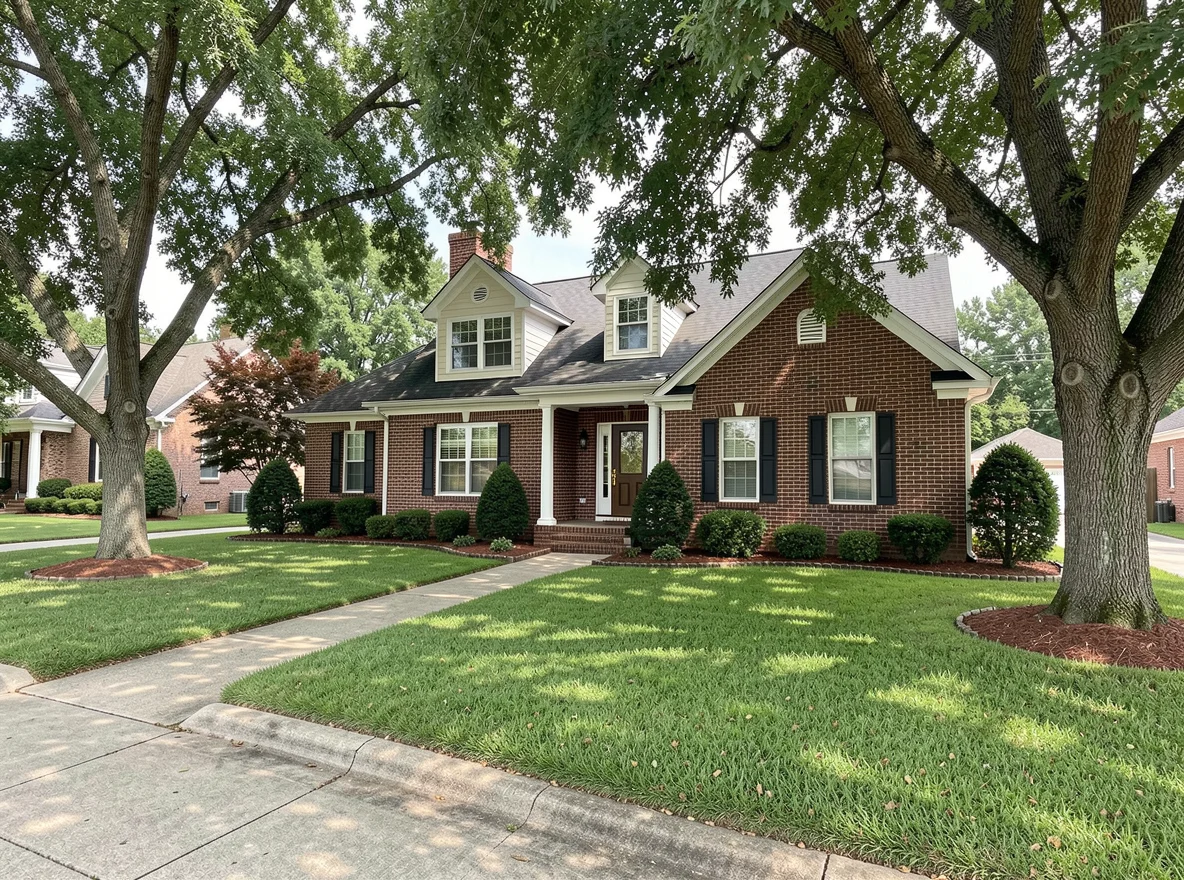
1. Watch the upkeep from house to house. One of the fastest ways to gauge neighborhood stability is to scan the entire block, not just the property you came to see. Are lawns cut consistently? Do roofs, fences, and driveways appear maintained? A few imperfect homes are normal in any area, but when most of the street shows steady care, it often signals owners who are invested in their property values. In Shreveport, where many neighborhoods include mature trees and older construction, visible maintenance matters even more because deferred exterior work can hint at larger issues.
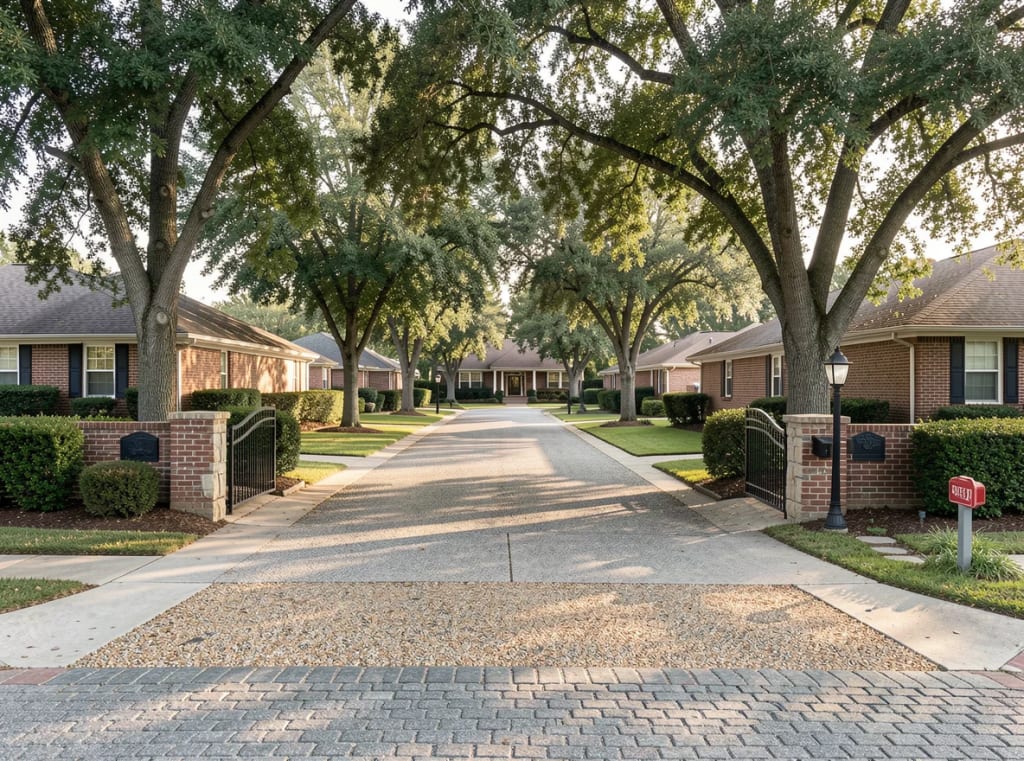
2. Notice traffic patterns at different times of day. Some streets feel peaceful at noon but become cut-through routes during rush hour. Before touring, it helps to drive the area in the morning, afternoon, and early evening. Look for speeding, frequent turning traffic, or noise from nearby commercial corridors and major roads. Buyers who work downtown, commute toward Bossier, or want quick access to regional routes across the 318 area should balance convenience with everyday livability.
3. Read the parking situation carefully. On-street parking can reveal a lot. If every curb is packed, guests may struggle and residents may feel crowded. If driveways are spacious and streets remain open, daily life may feel more relaxed. This is especially useful for first-time buyers who plan to host family, have multiple drivers in the household, or simply want to avoid neighborhood friction over parking habits.
The Community Clues Buyers Often Miss
4. Pay attention to how the neighborhood feels between homes. Sidewalk condition, street lighting, drainage, and the general sense of openness all affect how a place lives after sunset, during storms, and across seasons. In Louisiana, drainage is not a minor detail. A neighborhood with obvious grading issues, standing water, or poorly maintained ditches deserves extra scrutiny. Buyers should ask about flood history, insurance implications, and how the street handles heavy rain, because these practical realities influence both comfort and cost.
5. Look for signs of everyday community life. The best neighborhoods are not always the flashiest ones. Sometimes the strongest clue is seeing people walking dogs, kids riding bikes in the distance, or neighbors chatting from porches. Those subtle signals can suggest a community where residents feel settled and connected. Shreveport offers a mix of established neighborhoods with long-time owners and areas attracting fresh interest from younger buyers, so spotting that lived-in rhythm can tell you a lot about the area’s character.
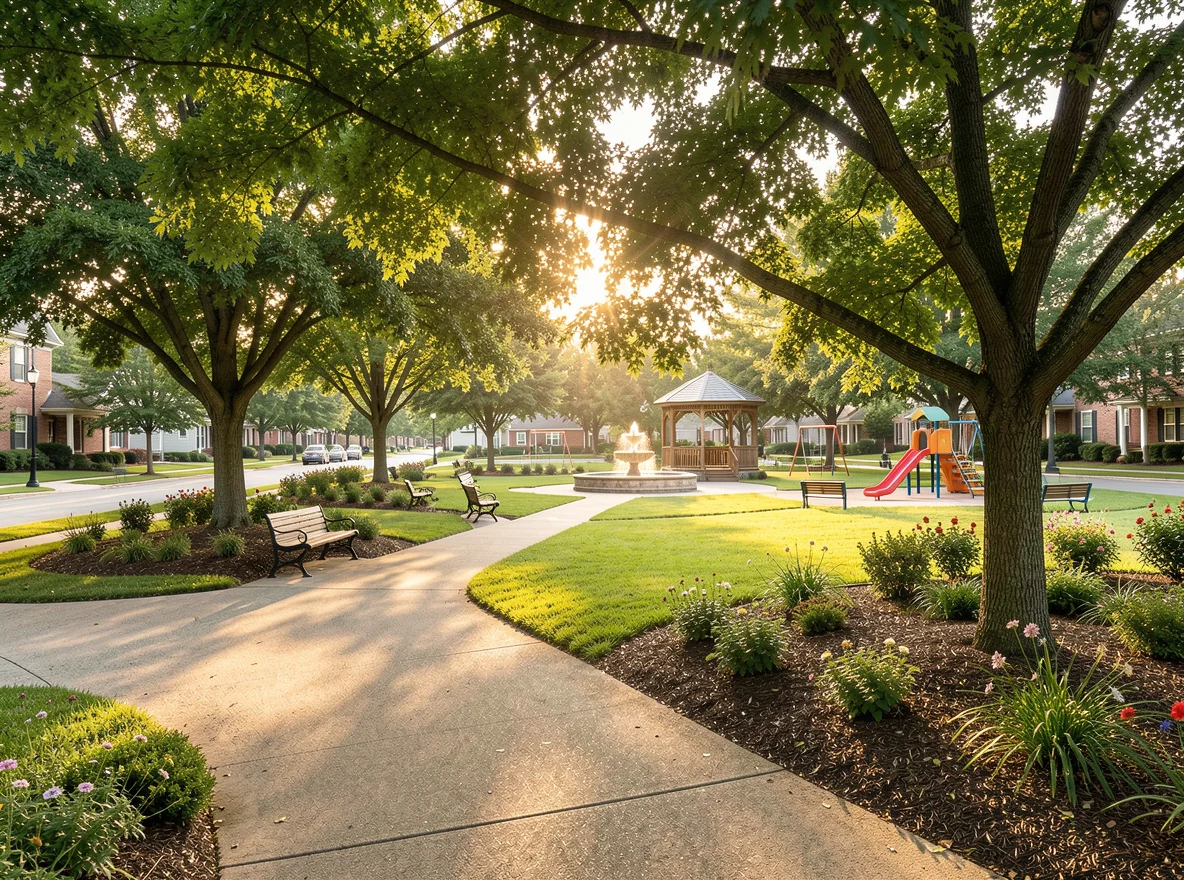
6. Study nearby conveniences, not just the address. First-time buyers often focus so tightly on the home that they forget to test the lifestyle around it. How close are grocery runs, parks, medical care, and favorite weekend destinations? Can you reach dining and entertainment without feeling isolated, yet still come home to a residential setting that feels comfortable? Shreveport buyers often appreciate neighborhoods that connect easily to schools, recreation, and established local amenities while still offering a sense of privacy.
7. Check for a mix of ownership pride and future potential. A neighborhood does not need to be perfect to be a good investment. In fact, some of the best opportunities come from areas where you can see both current stability and room for continued improvement. Fresh exterior paint, remodeling permits, updated landscaping, and renovated homes nearby may suggest upward momentum. For first-time buyers, that can mean finding a home with long-term upside instead of paying a premium in the most obvious hot spot.
Schools also deserve a place on your checklist, even if you are not currently buying with children in mind. School boundaries, commute patterns around drop-off times, and proximity to educational options can affect future resale value and buyer demand. A neighborhood that offers practical access to schools, libraries, and youth activities often has broader long-term appeal in the market.
Tour Smarter, Not Just Harder
Real estate in Shreveport is about more than square footage. It is about whether the neighborhood supports the life you actually plan to live there. Maybe that means quick access to work, a quieter block for evenings at home, or a location close to outdoor recreation, local gathering spots, and the routines that make a place feel easy. The more carefully you observe the surroundings, the more likely you are to choose a home that still feels right after the excitement of closing day fades.
That is where local guidance can make a real difference. A boutique-focused team with deep familiarity in the Louisiana 318 region can help buyers compare not just homes, but micro-markets, street-by-street patterns, and the hidden tradeoffs that online photos never show. When you know what clues to watch for before touring, you move from reacting emotionally to buying strategically.
For first-time buyers, that confidence is everything. A beautiful listing may grab your attention, but a strong neighborhood fit protects your budget, your comfort, and your future resale options. If you approach each Shreveport tour with these seven clues in mind, you will be far better prepared to spot the difference between a house that merely looks good and one that truly makes sense.